Riverside Sewer Pros
CIPP Pipe Lining in Riverside, OH
CIPP pipe lining in Riverside, OH relines cracked clay and cast iron sewer pipe without digging, cured-in-place resin. Free estimates.
- 15+ Years local experience
- 500+ Projects completed
- Licensed & Insured
Serving Riverside and nearby communities.
CIPP stands for cured-in-place pipe: a resin-saturated liner is pulled or inverted into the existing sewer line, then cured until it hardens into a smooth new pipe wall inside the old one. Riverside Sewer Pros uses this method most on the 1950s and '60s clay laterals common across Riverside's original housing stock, where root intrusion and joint gaps have started but the pipe itself hasn't collapsed.
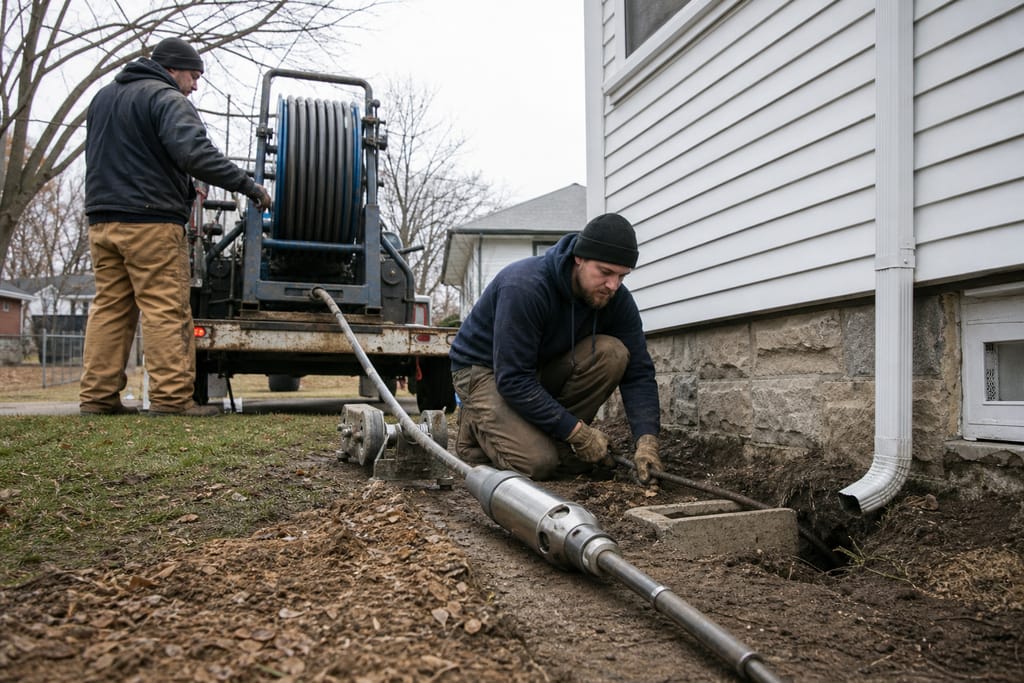
Because the liner cures against the inside of the existing pipe, there's no trench across the yard, just an access point at each end of the run.
What's included
What's included with CIPP Pipe Lining
Typically included: camera prep inspection, pipe cleaning, resin liner insertion, curing, and a final camera verification pass. Optional: root cutting beforehand if intrusion is blocking the line before the liner goes in. Customer prep: clear access to cleanouts, keep water use light during the service window.
Want a clearer scope?
Get a Free EstimateHow it works
How our CIPP Pipe Lining process works
 Step 1
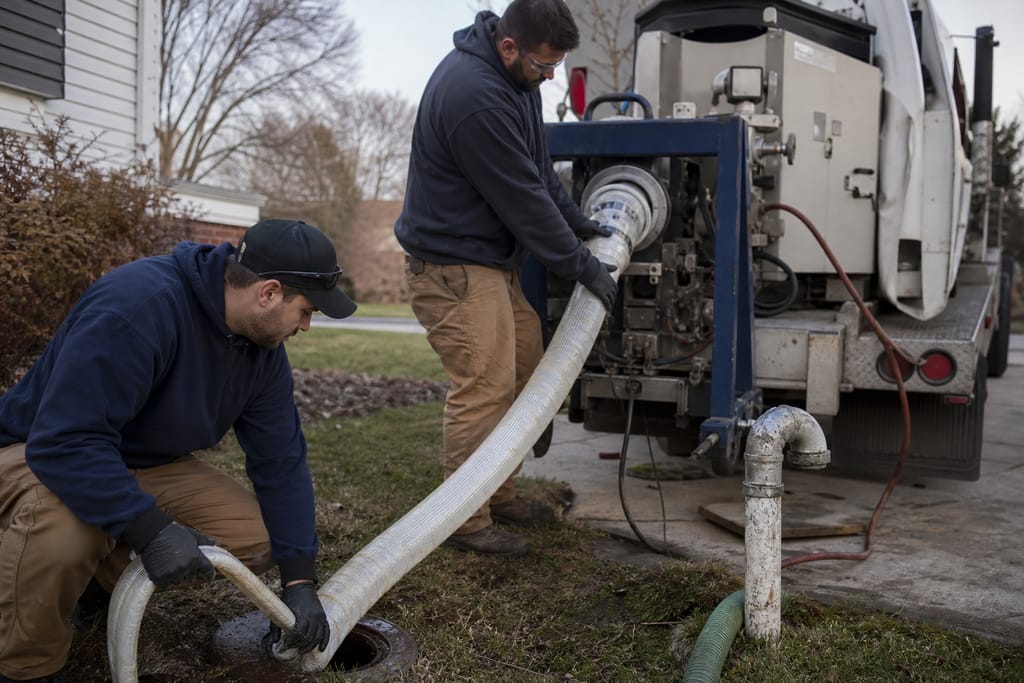
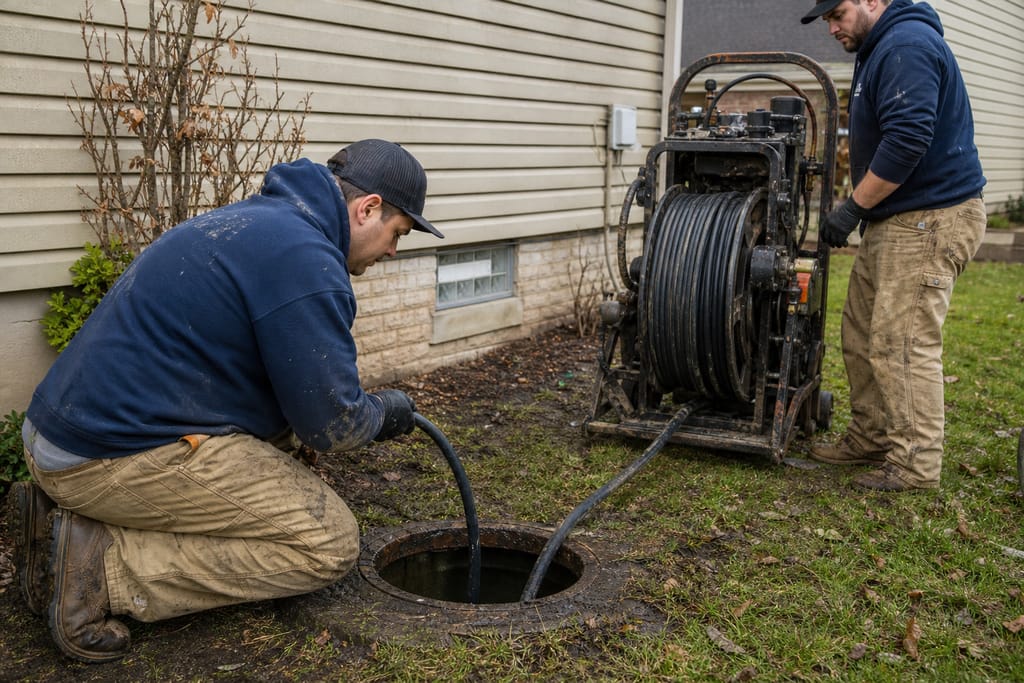
Pipe Cleaning
The existing pipe is thoroughly cleaned to remove debris and prepare the surface for lining.
 Step 2
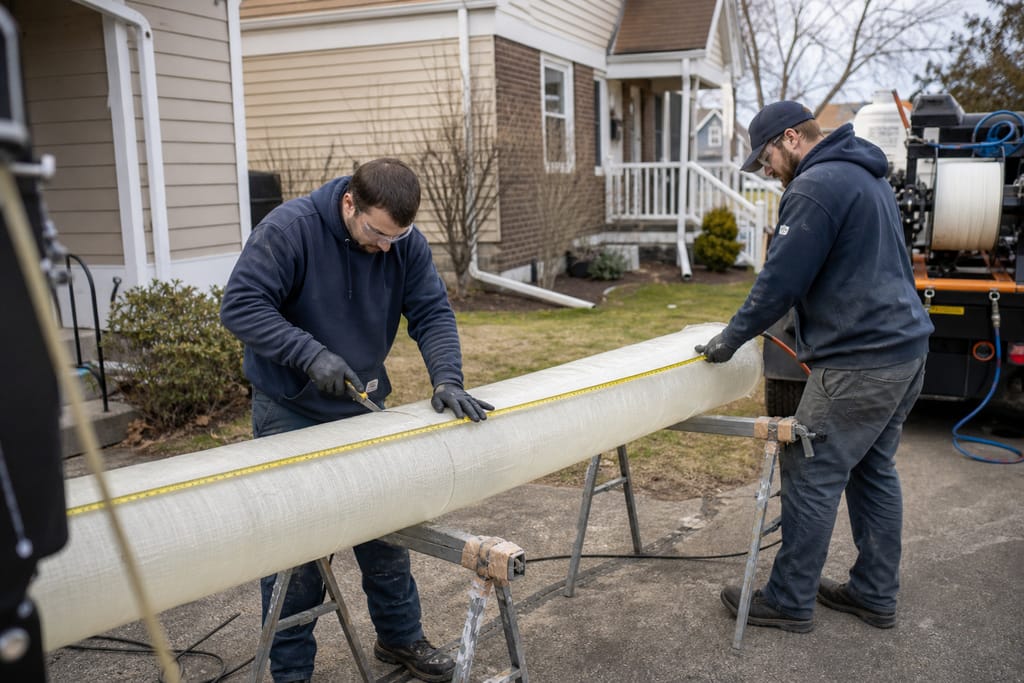
Liner Measurement
Precise measurements ensure the liner fits the exact length and diameter of the pipe.
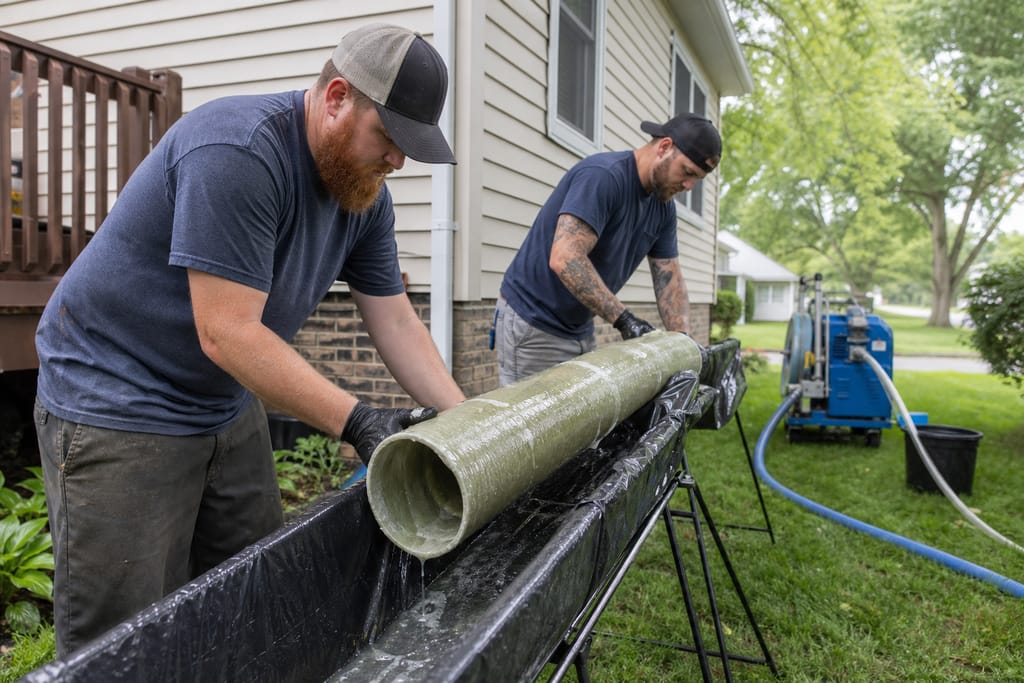 Step 3
Resin Saturation
The liner is saturated with resin to prepare it for insertion and curing.
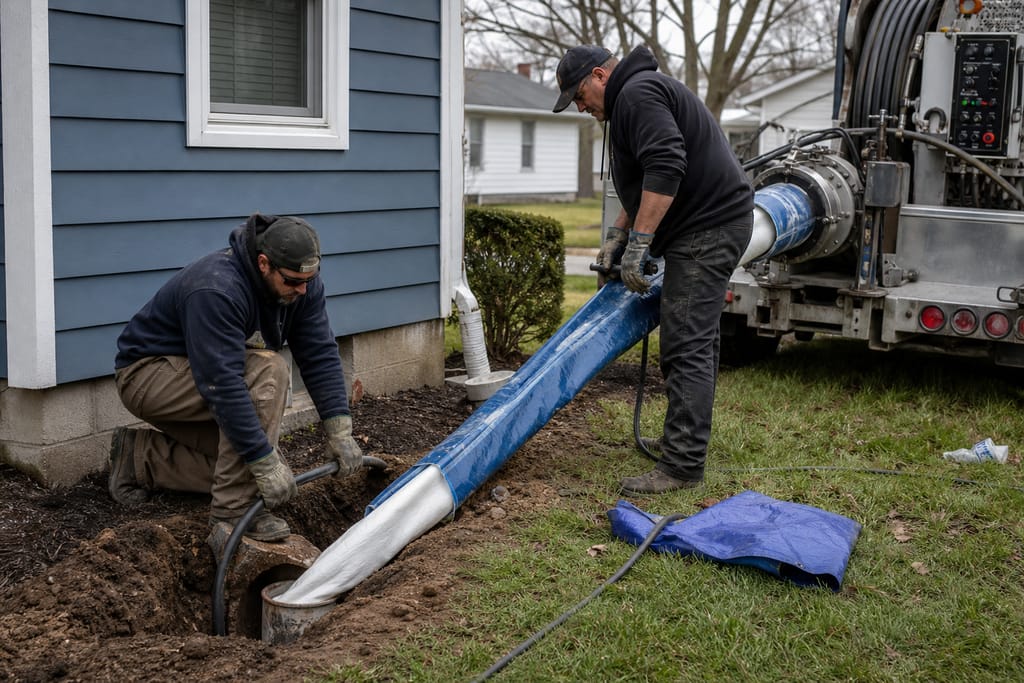 Step 4
Liner Insertion
The saturated liner is inserted into the host pipe using air or water pressure.
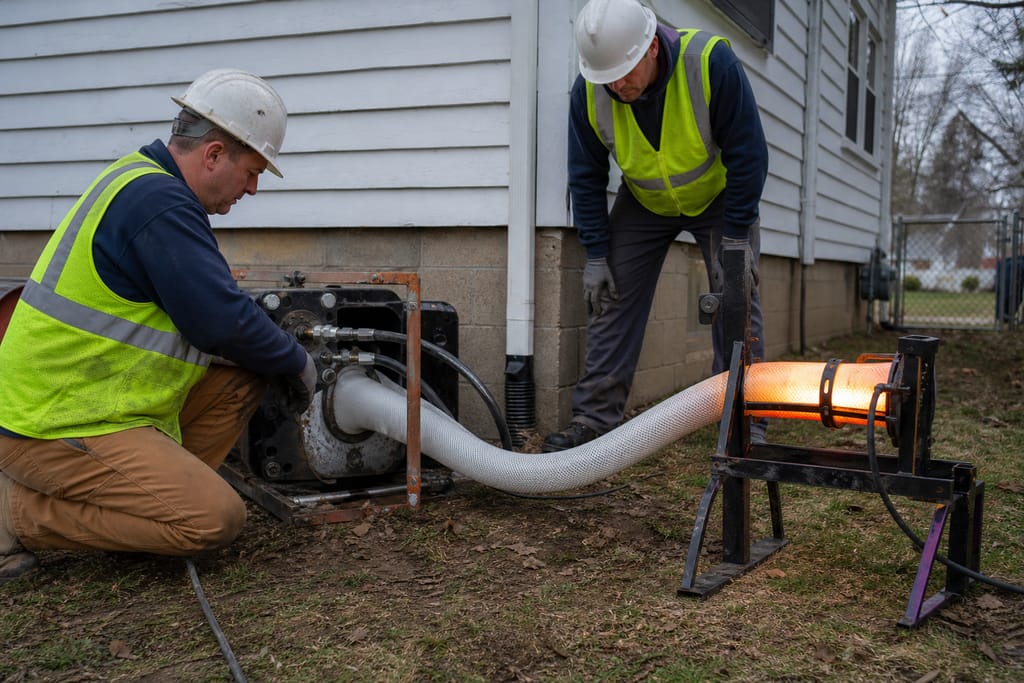 Step 5
Curing Process
Heat, UV light, or ambient curing hardens the liner into a solid new pipe wall.
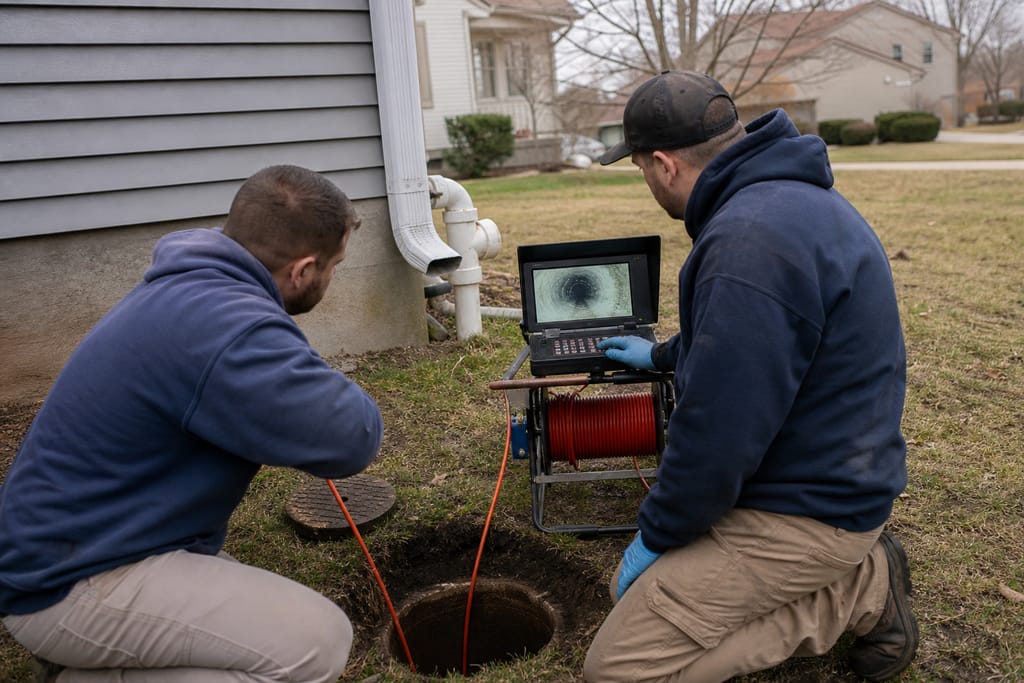 Step 6
Final Inspection
A camera inspection confirms the cured liner is smooth and properly bonded.
Materials
Materials and methods for CIPP Pipe Lining
CIPP relies on the liner material and curing method matching the pipe's condition and the ground around it.
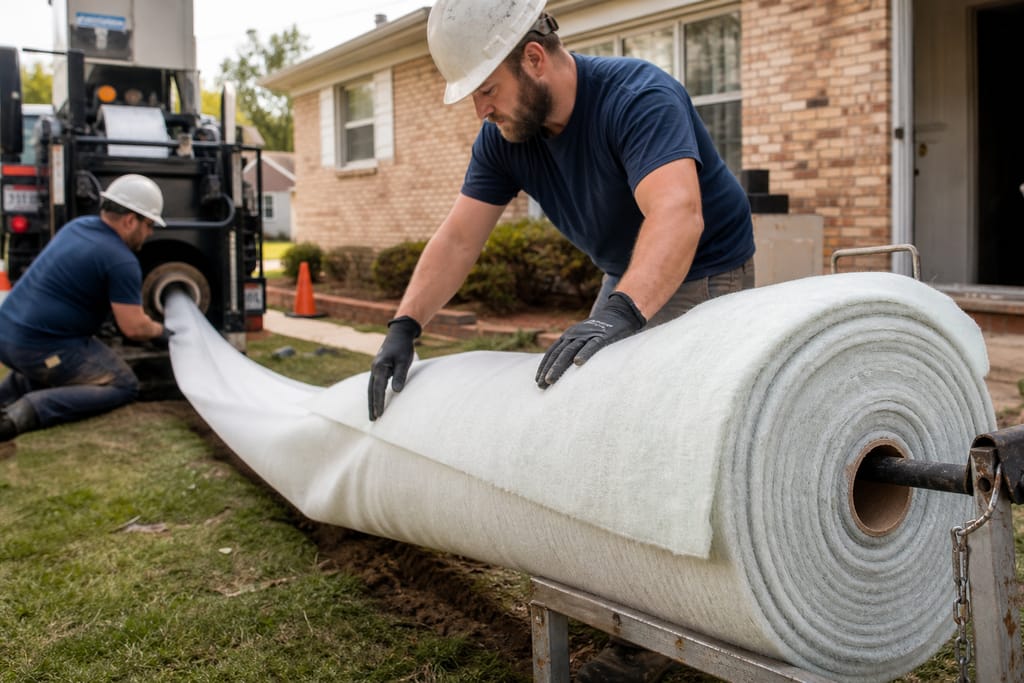
Felt Liner Tubes
Felt-based tubes form the structural base of the lining material and conform to the bends typical in older Riverside laterals.
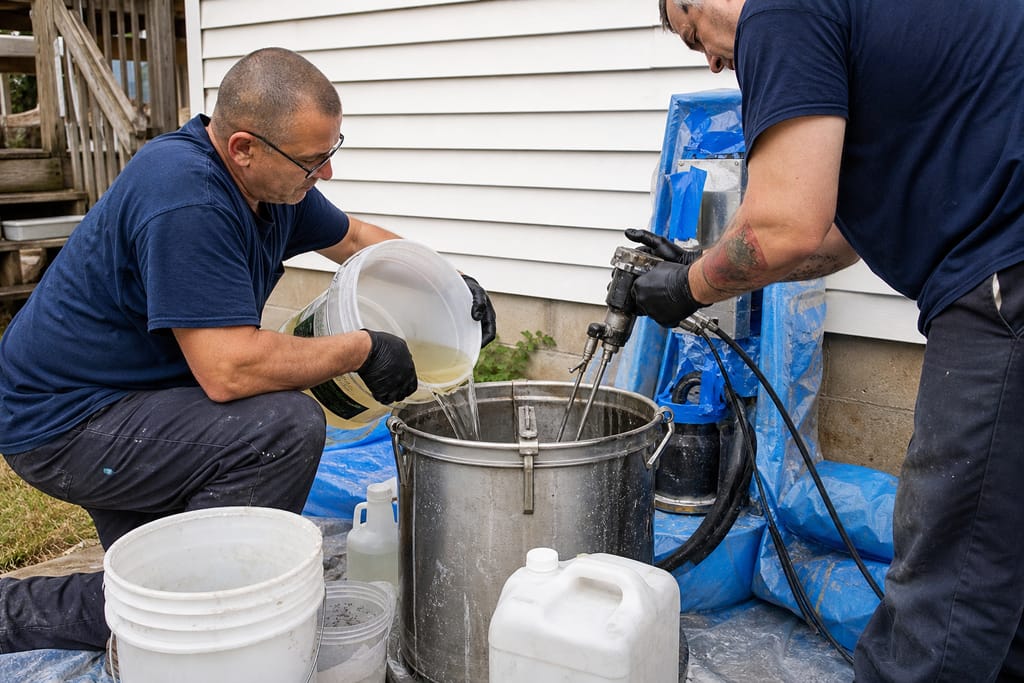
Epoxy Resin Blends
Resin blends cure into a rigid, chemical-resistant wall that holds up against Montgomery County's clay soil and freeze-thaw cycles.
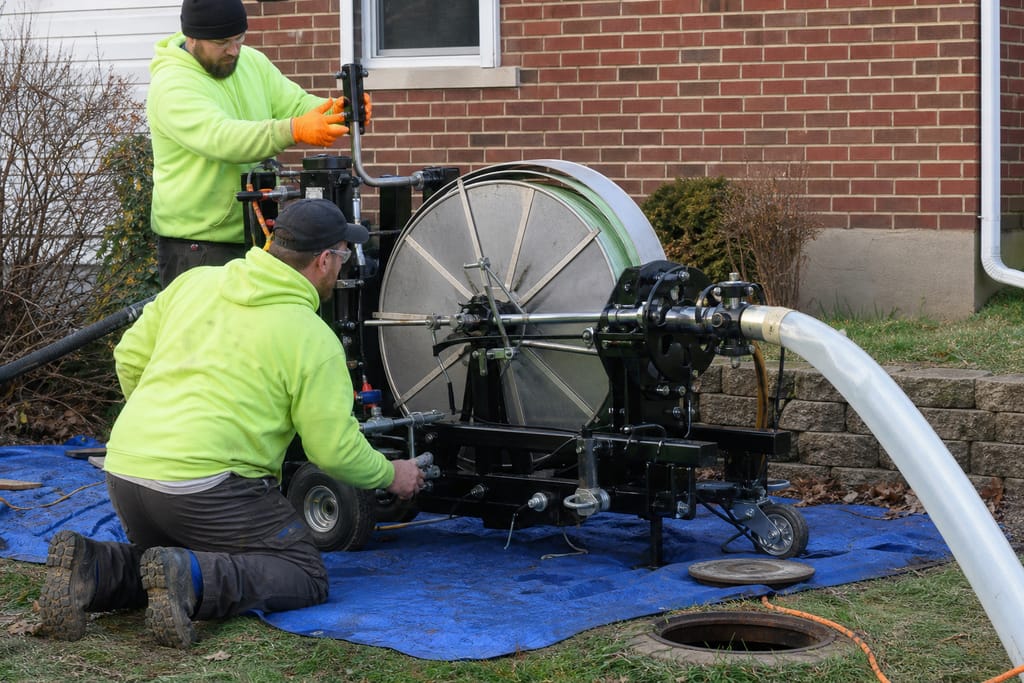
Inversion Equipment
Inversion drums turn the liner inside out as it's fed into the pipe, reaching full length without a trench.
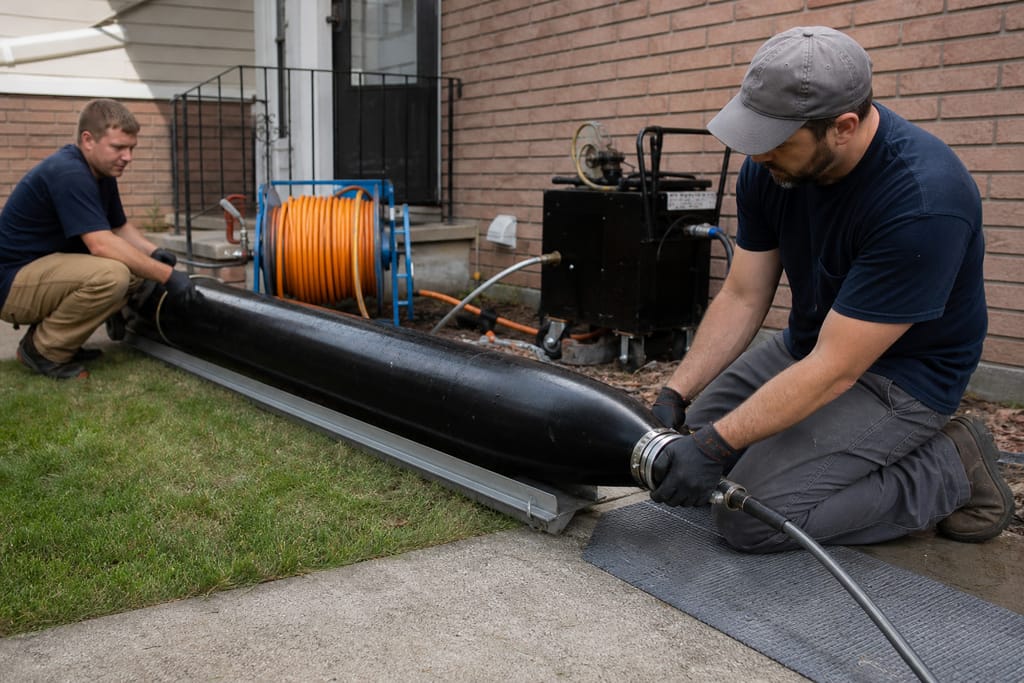
Calibration Tubes
Calibration tubes press the liner tight against the original pipe wall so it cures without gaps.
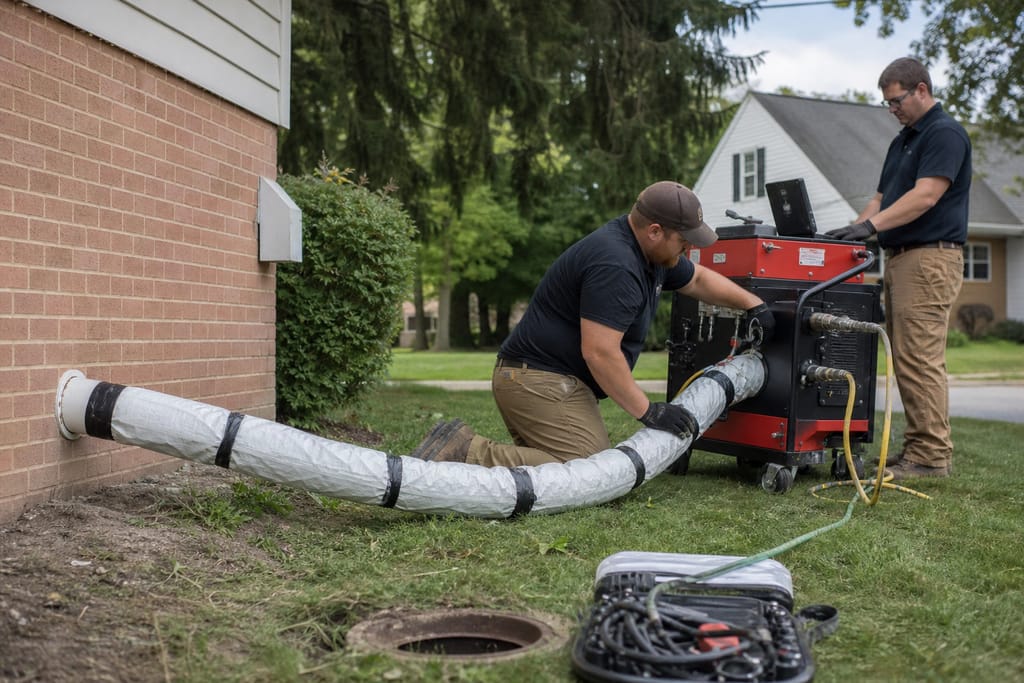
Heat Curing Units
Heat sources speed curing so most jobs finish the same day.
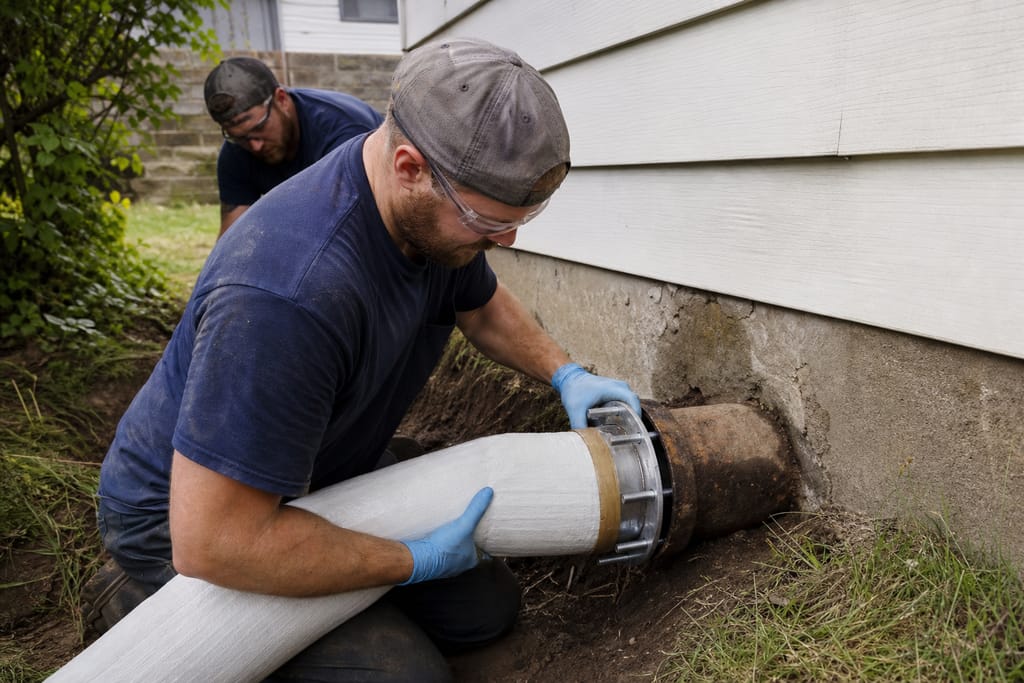
End Seal Fittings
Finishing fittings create a clean, watertight transition where the new liner meets existing plumbing.
Questions on materials?
Get a Free EstimateTimeline
How long does a CIPP Pipe Lining take?
Lining is one of the faster trenchless methods because curing happens in a controlled window.
- 01
Camera prep and cleaning
same daya few hours
- 02
Liner insertion
2 hours1 to
- 03
Curing
4 hours2 to depending on resin and method
- 04
Final inspection
same day
Need a schedule that fits?
Get a Free EstimateCost
What does a CIPP Pipe Lining cost in Riverside?
Pricing depends on pipe diameter, run length, number of bends, and how much existing damage the camera finds. Call for a free estimate after a camera inspection confirms lining is the right fit.
| Project type | Typical range | What’s included |
|---|---|---|
| Short spot liner | $2,500–$4,500, | single section repair within an otherwise sound pipe. |
| Full lateral lining | $4,500–$9,000, | full run from house to main or property line. |
| Lining with root removal | $5,500–$10,000, | intrusion cleared before the liner goes in. |
| Lining with multiple bends | $6,000–$11,000, | more complex runs needing extra prep. |
These are typical local ballparks — final cost depends on scope, materials, and site conditions. A free estimate gives you an accurate, itemized number for your home.
Want a number for your home?
Get a Free EstimateCodes & permits
Permits and codes for CIPP Pipe Lining
Check with Riverside or Montgomery County to confirm what applies to your specific job.
| Typically needs a permit | Often no permit |
|---|---|
| Lining that extends to or connects with the municipal sewer main | Lining contained entirely within the private lateral |
| Work requiring any excavation in a public right-of-way | Camera inspection and prep work alone |
Need help with permits?
Get a Free EstimateDIY vs pro
DIY vs hiring a pro for CIPP Pipe Lining
| DIY | Hire a pro |
|---|---|
| Fine for routine drain maintenance or clearing a minor clog with a snake | Liner curing needs controlled heat or UV exposure that homeowners can't replicate safely |
| Reasonable for scheduling a camera inspection through a rental service to assess condition | Resin saturation and liner insertion require specialized equipment to avoid uneven curing or leaks |
Not sure DIY vs pro?
Get a Free EstimateWhen to call
When to call for CIPP Pipe Lining
Call Riverside Sewer Pros for a free estimate on whether lining fits your pipe's condition.
- Root intrusion showing up in camera footage without full pipe collapse
- Minor cracks or hairline joint separation in clay or cast iron pipe
- Recurring slow drains tied to deteriorating pipe, not a single clog
- Pipe deterioration found during a home inspection before purchase
Seeing warning signs?
Get a Free EstimateFAQs
CIPP Pipe Lining FAQs
How long does CIPP lining last before it needs redoing?
A properly installed CIPP liner is designed to function as a new pipe for decades, similar to the lifespan of new PVC or HDPE pipe, as long as the host pipe and liner were matched correctly during installation.
Can old clay pipe from the 1950s or 60s be relined safely?
As long as the clay pipe hasn't collapsed and still holds its round shape. A camera inspection confirms whether the host pipe can support a liner or whether bursting or replacement makes more sense.
Will trenchless repair work if my pipe is already collapsed?
CIPP lining needs a host pipe to cure against, so a fully collapsed section isn't a candidate for lining. Pipe bursting or replacement is the trenchless option for that scenario.
What's the difference between pipe lining and pipe bursting?
Lining installs a new liner inside the existing pipe without removing it. Bursting fractures the old pipe apart while pulling a brand new pipe into its place. Lining works when the pipe is intact but deteriorating; bursting works when the pipe is too damaged to line.
Is CIPP lining messy or disruptive to my yard?
Lining uses one or two small access points rather than a trench, so yard disruption is minimal compared to traditional dig-and-replace.
More services
Other Trenchless Sewer Repair services
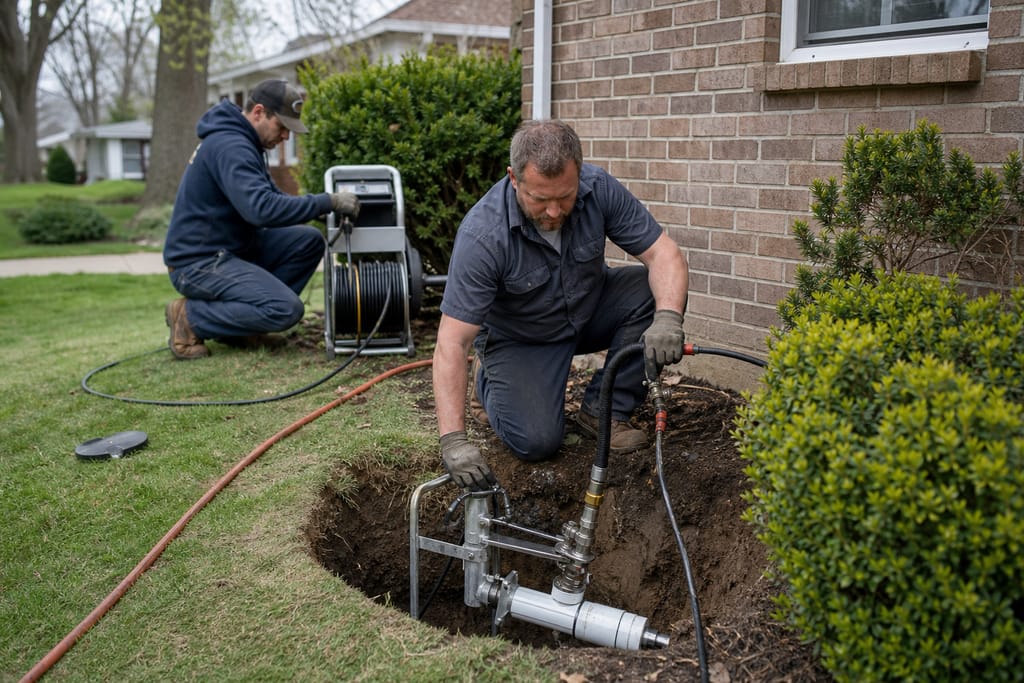
Trenchless Sewer Repair
Trenchless sewer repair in Riverside, OH using CIPP lining and pipe bursting. No trench across the yard. Free estimates.
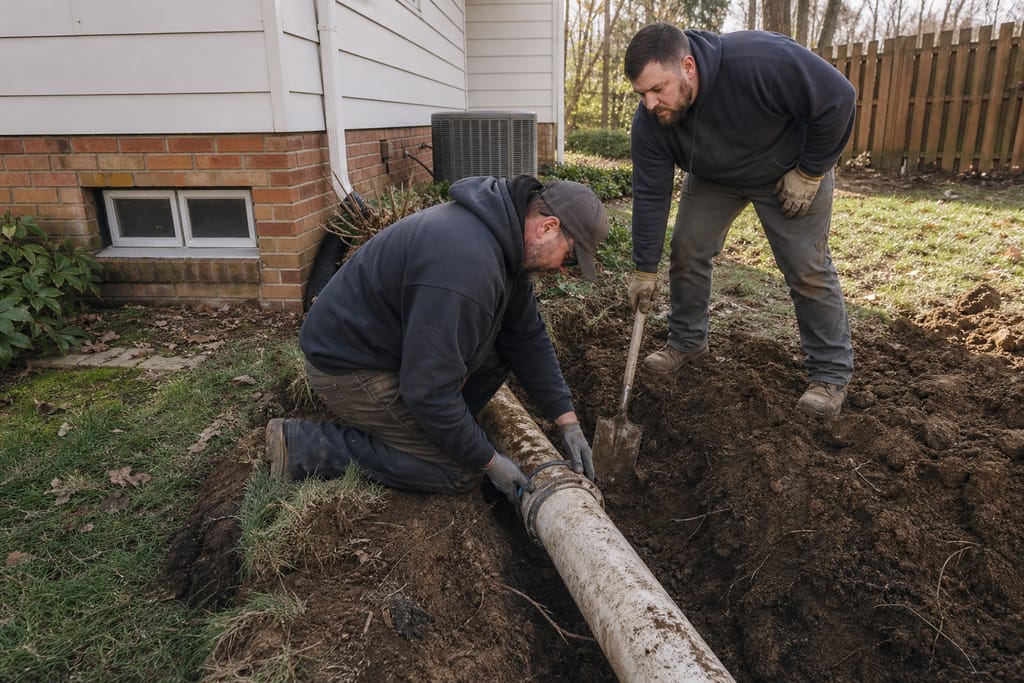
Sewer Line Repair
Trenchless sewer line repair in Riverside, OH for cracked or leaking laterals, spot fixes without full excavation. Free estimates.
Pipe Bursting
Trenchless pipe bursting in Riverside, OH replaces collapsed clay or Orangeburg sewer lines with new HDPE pipe. Free estimates.
Ask about CIPP Pipe Lining
Tell us about the project and how to reach you.